

Why So Many Foreigners Invest in Thai Real Estate in 2026
By Fred von Keller · 30 July 2026

Every week someone asks me the same question, usually over a coffee with a view of the water: "Is Thailand actually a good place to put my money into property — or does it just feel that way because I'm on holiday?"
It's the right question. Sunshine has a way of loosening wallets, and I've watched people buy on emotion and regret it. So here is the honest answer — the real reasons foreigners keep investing in Thai real estate in 2026, and the caveats I'd want a friend to hear before signing anything.
1. You get far more for your money
Start with the simplest reason: value. Compared with almost any Western coastal city — or with Singapore, Hong Kong or the pricier corners of Europe — Thailand gives you dramatically more property per unit of currency.
A modern one-bedroom condo a few minutes from the beach in Pattaya starts around ฿2.5–4 million. A brand-new pool villa that would cost seven figures in euros or dollars back home is a fraction of that here. For buyers coming from expensive markets, the maths alone is enough to start the conversation. I break the price bands down in detail in my guide to what your budget actually buys in Pattaya.
2. Rental yields that beat most of the West
Thai condos, particularly in tourist-driven cities, tend to produce gross rental yields of roughly 5–8% — higher than the 2–4% typical of many Western capitals.
I'll be straight with you, because I've written a whole honest breakdown of this: the net figure after management, vacancy, fees and tax is more like 4.5–6%, not the "8%" a sales floor will quote. But a genuine 4.5–6% net return, in a property you can also enjoy yourself, in a city you'd happily spend time in, still compares very well with the alternatives. Read the real numbers in my article on what a Pattaya condo actually returns.
3. Tourism demand that keeps the rental market alive
Thailand is one of the most visited countries on earth, and arrivals have recovered strongly — tourism is running near record levels, and notably the government has shifted its focus from sheer visitor numbers to higher-spending, longer-staying guests.
That matters for an investor. A steady flow of visitors and long-stay expats underpins rental demand, and the shift toward quality tourism supports the middle-and-upper end of the market — exactly where well-chosen condos and villas sit. Your tenant pool isn't just locals; it's a rotating international population that keeps coming back.
4. The Eastern Economic Corridor — Pattaya's quiet advantage
This is the reason I think the Eastern Seaboard is more interesting than Phuket or Bangkok right now, and most holiday buyers have never heard of it.
Pattaya sits inside the Eastern Economic Corridor (EEC) — Thailand's flagship industrial and infrastructure zone. The headline project is a high-speed rail line linking Bangkok's airports through Chonburi and Pattaya to U-Tapao Airport, which is being expanded into a major aviation hub. It's a roughly ฿224-billion undertaking, scheduled for completion around 2029, and when it's done the trip from Bangkok to Pattaya is expected to fall to about 45 minutes.
Think about what that does. Pattaya stops being a weekend beach town two-plus hours from the capital and becomes a genuine commuter-and-lifestyle extension of Bangkok, with an international airport on its doorstep. Infrastructure of that scale tends to pull property values up with it — and the areas near the planned stations and the U-Tapao corridor (central Pattaya, Na Jomtien, the southern stretch) are where that pressure will land first. You're not just buying a condo; you're buying ahead of a transport map that's still being drawn.
5. Foreigners can genuinely own — if you know the rules
A lot of people assume foreigners can't own anything in Thailand. Not true — and the clarity of the rules is itself part of the appeal.
- Condominiums: freehold, in your own name. A foreigner can own a condo unit outright, freehold, provided the building stays within its 49% foreign-ownership quota. Clean, simple, and registered at the Land Office in your name. This is the single easiest and most popular route for investors.
- Houses and villas: land is different. Foreigners can't own land directly, but there are safe, legal structures — chiefly a properly built registered leasehold, often with a superficies right so you own the house itself. I explain the whole picture, including the newer options, in my guide to buying a villa in Thailand.
The key is doing it properly, with an independent lawyer — which I'll come back to in the caveats.
6. A visa that lets you stay
Property and residency increasingly go together, and Thailand has made that link deliberate.
The Long-Term Resident (LTR) visa offers a 10-year renewable stay, and recent rule changes made property investment a more direct route to it for high-net-worth applicants (broadly, a US$1 million net worth and a US$500,000 qualifying investment). For most retirees the more common path is the standard retirement visa (age 50+, with the usual financial requirements). Either way, the point stands: buying here can be part of a plan to actually live here, not just hold an asset from afar.
Visa rules change often and the details matter — always confirm the current requirements with an immigration specialist before you rely on them.
7. The lifestyle dividend
Finally, the reason that doesn't show up on a spreadsheet but drives more purchases than any other: the life. Warm weather year-round, a low cost of living, world-class food, excellent private healthcare, and a large, welcoming international community. For many of my clients the property is really the key to a lifestyle — and the fact that it can also earn its keep or appreciate is the bonus that makes the decision easy. My guide to the true cost of living in Pattaya lays out what daily life actually costs.
The honest caveats — because it isn't a guaranteed goldmine
If I only told you the good parts, I wouldn't be doing my job. Here's what to keep your eyes open about:
- Some segments are oversupplied. Certain condo areas have a lot of similar stock, which caps rental growth and makes resale slower. Which building and which area matter enormously — this is where local knowledge earns its keep.
- Property here is not a quick flip. Resale can take time; Thai real estate rewards buyers with a multi-year horizon, not those hoping to trade out in eighteen months.
- Currency cuts both ways. Your returns are in baht. Exchange-rate moves can add to or erode what you take home.
- Structure and paperwork must be done right. Especially for houses and land — get an independent lawyer, never rely on the seller's. I've written about the risks of getting this wrong in my piece on Thai house ownership and the nominee crackdown.
None of these are reasons not to invest. They're reasons to invest carefully, with good advice and the right property — which is precisely the difference between the people who do well here and the people who tell cautionary tales at the bar.
So — why do so many invest in Thai real estate?
Because when you line it up honestly, the case is genuinely strong: more property for your money, solid rental yields, resilient tourism demand, a once-in-a-generation infrastructure story on the Eastern Seaboard, clear ownership routes for foreigners, a visa path to stay, and a quality of life that's hard to match anywhere at the price. Get the property and the structure right, and it's one of the better propositions in the region.
If you're weighing it up, message me with what you're thinking — budget, goals, whether you want yield, growth or a home you'll use — and I'll give you an honest read and point you to the right listings and the right professionals. The properties themselves come through Alan Bolton Property Consultants and East Coast Real Estate, so you're buying through a licensed, established agency, not a website. You can browse current listings here, in English, French, German or Spanish.
This article is general information about the Thai property market as of 2026. It is not investment, financial, tax or legal advice. Property values and rental returns can go down as well as up. Always take independent professional advice before making any investment or signing any agreement.
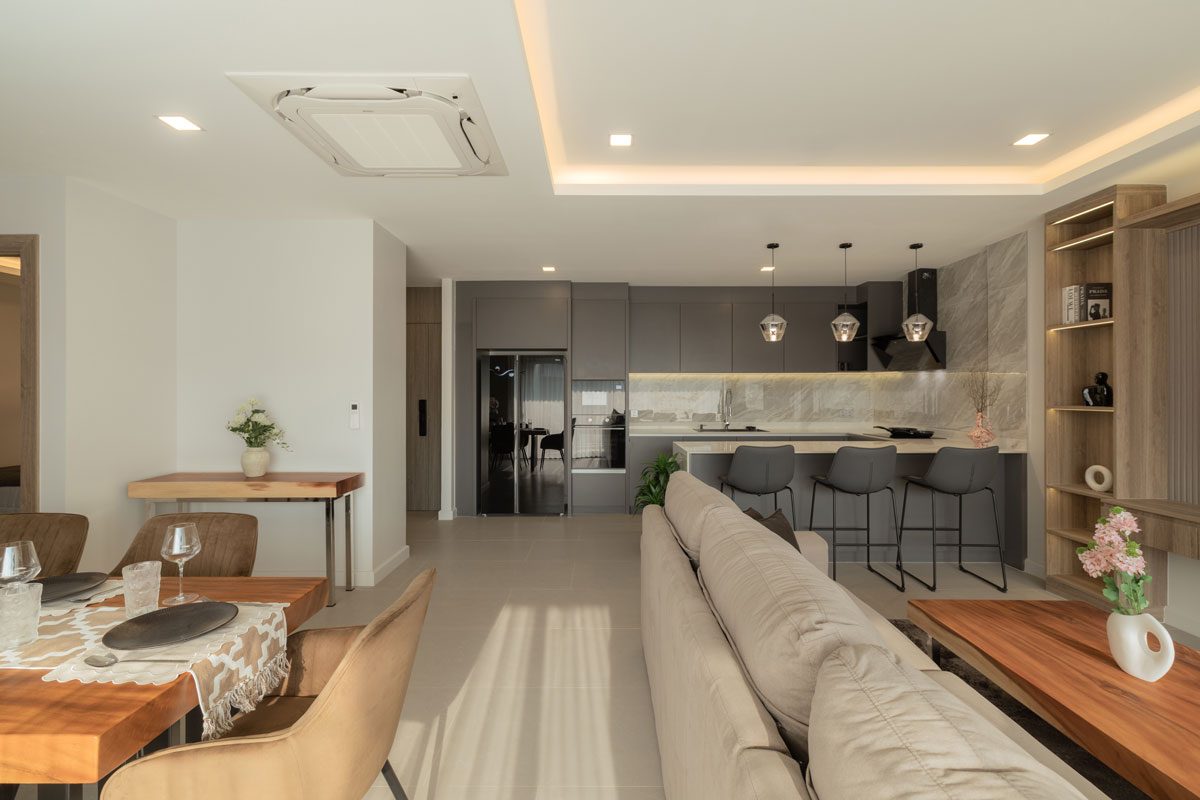 Featured development
Central Jomtien
Zensiri Residences Jomtien
Low-rise Jomtien condo living — three pools and a co-working floor
In partnership with ESS Developments

Questions about the Pattaya market?
Call or message me directly — I answer personally, usually within the hour.