

House Ownership in Thailand & the Nominee Crackdown: What Buyers Actually Need to Know
By Fred von Keller · 14 July 2026
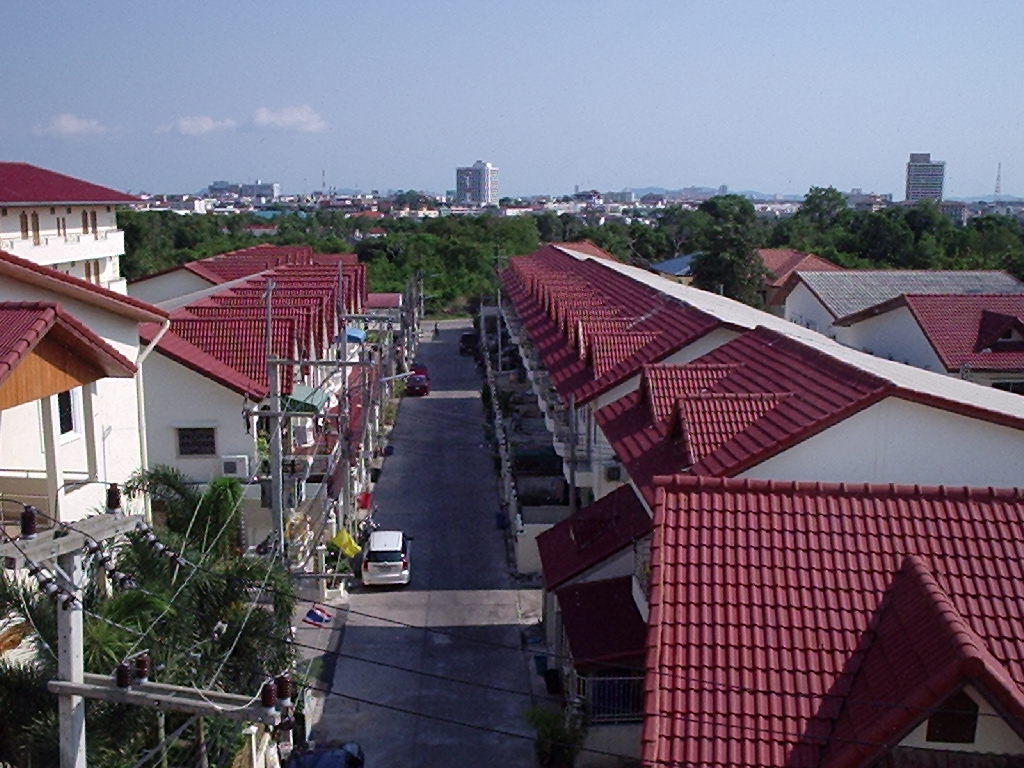
If you have been following the Thai property news lately, you have seen the headlines: the Department of Special Investigation (DSI) raiding law offices, the Land Department blacklisting companies, talk of a "nominee crackdown" sweeping from Koh Samui to Phuket and now Pattaya. Understandably, buyers are nervous — and the internet, as always, is full of half-truths.
So let me do what I do best: give you the straight version. What foreigners can actually own, what the crackdown is really about, who is genuinely at risk (and who is not), and the clean, boring, entirely-legal ways to own a home here that no one is coming after. This is not legal advice — it's an honest map, and at the end I'll tell you exactly who to talk to for the binding details.
The starting point: land vs. buildings
The single rule that shapes everything: a foreigner cannot own land in Thailand in their own name. That's the Land Code, and it hasn't changed. But there's more nuance than the headlines suggest:
- Condominiums — you CAN own, freehold, in your own name. Up to 49% of a building's floor area is reserved for foreign owners (the "foreign quota"). This is the cleanest ownership in Thailand, full stop — and, crucially, it is completely untouched by the current crackdown. Every source confirms it remains the confirmed, unaffected legal path for foreign buyers.
- The building vs. the land underneath. A foreigner can legally own a house (the structure) even when they can't own the land it sits on — the two are legally separate in Thailand. This matters for how the clean structures below work.
So when we talk about "owning a house" — a villa, a pool home — the real question is always: how do you hold the land? There are honest answers, and there are the shortcuts the DSI is now dismantling.
What the DSI crackdown is actually about
Let's be precise, because precision is exactly what reassures. The investigation is not a campaign against foreigners owning homes. It targets one specific illegal trick: the nominee arrangement.
A nominee arrangement is where Thai nationals are put on a company's shareholder register in name only — they never paid for their shares, hold no real stake, and take no real part — purely to disguise a company as "Thai" so it can buy land that a foreigner secretly funds and controls. That has always been illegal under the Foreign Business Act B.E. 2542 (1999) and the Land Code. What's new is enforcement.
What's actually happening, from the reporting:
- The DSI, the Department of Business Development (DBD), the Land Department and the Anti-Money Laundering Office (AMLO) are now working together, tourist province by tourist province — starting on Koh Pha-ngan and Koh Samui, expanding to Phuket, Hua Hin and Pattaya. (Nation Thailand, Pattaya Mail)
- A single raid on a Phuket law-and-accounting office reportedly uncovered more than 60 nominee companies set up for foreigners. (Pattaya Mail)
- Officials now run deep background checks on company structures — verifying whether Thai shareholders' actual income and wealth match the shares they supposedly bought. (Pattaya Mail)
- The DSI estimates the illegal-nominee problem at several billion baht a year, and coordinated raids have continued through 2025–2026. (Bangkok Post, Nation Thailand)
The penalties are real. For unlawful land holding through nominees, the Land Code provides for imprisonment and/or fines, plus a forced sale of the land within a set period; the Thai nominees and the professionals who arrange the scheme face liability too, and assets can be frozen under money-laundering law. (Pattaya Mail) The Foreign Business Act carries its own separate, heavier penalties for nominee offences — which is exactly why the arrangers are being targeted, not just buyers.
So — is a company structure still safe?
Here is the honest, nuanced answer, and please read the whole thing rather than the reassuring half.
The crackdown is aimed at fake companies, not real ones. The legal line, as the authorities themselves describe it, comes down to three questions (Zagdim):
- Did the Thai shareholders make genuine capital contributions — real money, from real funds that match their means?
- Would the structure survive a beneficial-ownership check that traces who actually controls and benefits, not just who is named on paper?
- Does the company have real substance — genuine business activity, proper accounts, correct filings — rather than existing only to hold one villa?
A company that can answer "yes" to all three — genuine Thai partners with a real stake, real business purpose, clean paperwork — is not what the DSI is hunting. Those companies were legal before this campaign and remain legal now.
But — and this is where honesty serves you better than comfort — the word "properly" is doing enormous work in "a properly set-up company." A great many company structures sold to foreigners over the years were not properly set up; they were nominee shells dressed as companies, and those are precisely the ones now unravelling. You cannot know which category yours falls in from a brochure or a forum post. You know it from a lawyer reviewing your specific structure.
My honest position with clients: if you genuinely need land and a company is the right tool, it must be a real company with real Thai partners and real substance, built and maintained by proper professionals — and reviewed, not assumed. If that sounds like more trouble than a holiday home is worth, good news: there's a cleaner path.
The clean alternative: registered leasehold
For most foreign buyers who want a house rather than a condo, the simplest, most transparent and entirely un-controversial route is a registered long lease.
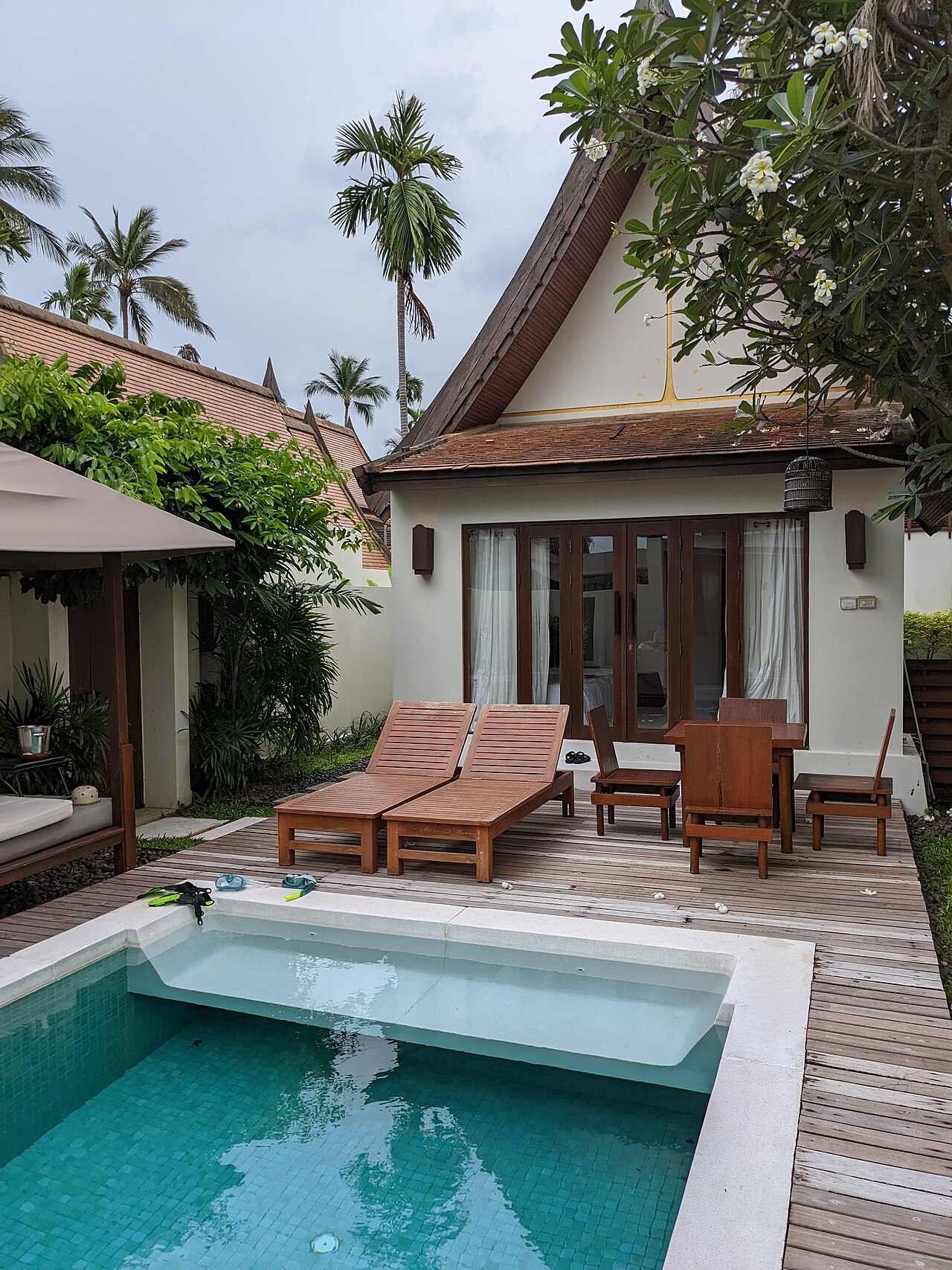
Here's how it works: you take a lease over the land, registered at the Land Office and noted on the Chanote (title deed), typically for 30 years, while you own the house itself — the building — outright, in your own name. Thai law treats the structure and the land separately (the legal principle of superficies), so this isn't a loophole; it's ownership of the bricks plus a registered, recorded right to the ground they stand on.
This is exactly the model that quality developers offer, and it's worth seeing how a good one is built. A well-drafted example — one I know well — is spelled out plainly by ESS Developments:
- A registered 30-year lease, recorded at the Land Office and noted on the Chanote, with a contractual provision for a further 30 years at the end of the term.
- You own the building directly — not the company, you.
- If renewal ever becomes legally impossible, the leasing company must compensate you for the registered value of the building — a real, contractual safety net most leases don't bother to include.
- You can sell (a fresh 30-year lease registers in your buyer's name, Thai or foreign) and pass it to your heirs via the Land Office.
Zensiri and other reputable projects offer comparable registered-leasehold structures, and there's a reason serious developers favour them: they are clean, registered, on the public record, and completely outside the nominee debate — there is no Thai shareholder to scrutinise, no hidden control to unwind, nothing for the DSI to investigate. You are simply the owner of your home with a strong, registered, long-term right to the land — which, for a house you intend to live in and eventually pass on, is often all you actually need.
One honest point on renewals, because it matters and a good agent tells you the awkward part too: Thai law registers one 30-year term at a time. Your first 30 years is an ironclad, registered property right. The further 30 years is a contractual promise — powerful, but its strength depends on how well it's drafted and on the leasing company still being sound when the time comes. That is precisely why the quality of the developer and the wording of the contract matter so much — and why a compensation clause like ESS's, and a developer with a real reputation to protect, are exactly what you want to see. Have a lawyer read the renewal mechanics before you sign; it's the one part worth the fee.
The bottom line
- Condo in foreign quota — freehold, your name, cleanest of all, and untouched by the crackdown.
- Registered leasehold on a house/villa — transparent, secure, entirely outside the nominee issue. My default recommendation for most house-buyers today.
- A genuine company with real Thai partners and real substance — still legal, still valid, but must be properly built and independently reviewed, not taken on faith.
- A nominee shell — the thing the DSI is dismantling. If someone offers you land "in a company, don't worry about the Thai names," walk away.
None of this should scare you off Thailand. What the crackdown is really doing is rewarding the buyers who did it properly and cleaning out the ones who cut corners — which, over time, makes the market safer for everyone.
Important: I'm a real estate professional, not a lawyer, and the details above are a plain-language overview of a fast-moving legal situation — not legal advice. Before you buy any house or land in Thailand, your structure should be reviewed by a qualified, independent Thai property lawyer. I work with trusted ones and I'm happy to put you in touch, and to make sure whatever you buy through me is set up the clean way from day one. Message me and let's talk it through — in English, French, German or Spanish.
Sources & further reading:
- Pattaya Mail — Land Department intensifies nationwide crackdown on foreign nominee schemes
- Pattaya Mail — Pattaya and Phuket caught in expanding probe into suspected foreign business fronts
- Nation Thailand — DBD, DSI team up against foreign nominee firms in key Thai tourist areas
- Nation Thailand — Thailand nominee crackdown exposes property law loopholes
- Bangkok Post — DSI raids island spots as nominee probe expands
- Zagdim Overseas — Thailand's 2026 Nominee Crackdown: What Foreign Property Owners Need to Understand
- ESS Developments — Leasehold Ownership in Thailand explained
Photos: "Family houses, Pattaya" by fnn.ru (CC BY 3.0); Thai pool villa by Jpatokal (CC BY-SA 4.0), via Wikimedia Commons. Legal position current as of the DSI enforcement campaign reported through 2025–2026.
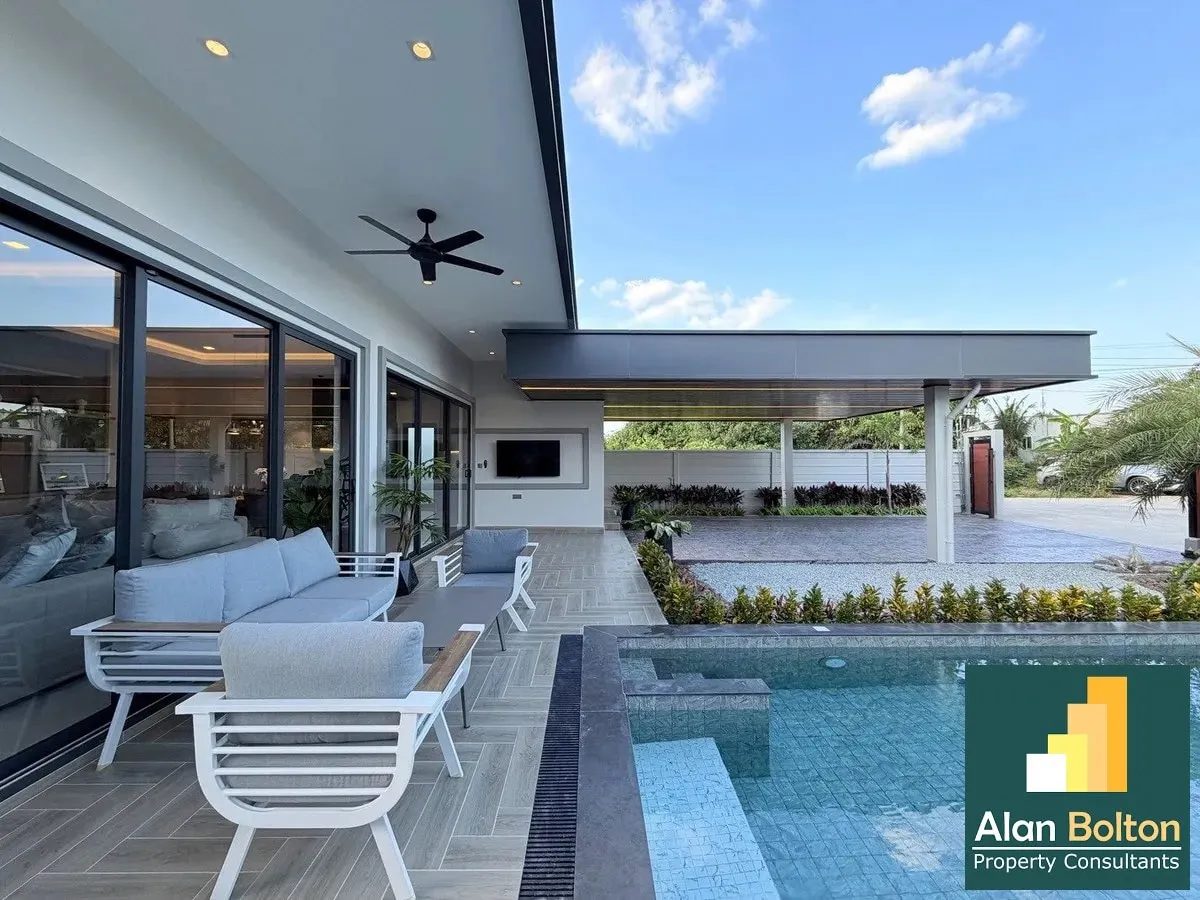 Featured development
Mabprachan Lake · East Pattaya
Zensiri Lakeside Mabprachan
Lakeside luxury pool villas near the best schools and golf
In partnership with ESS Developments

Questions about the Pattaya market?
Call or message me directly — I answer personally, usually within the hour.