

Retiring in Pattaya: The Honest Guide (2026)
By Fred von Keller · 10 September 2026
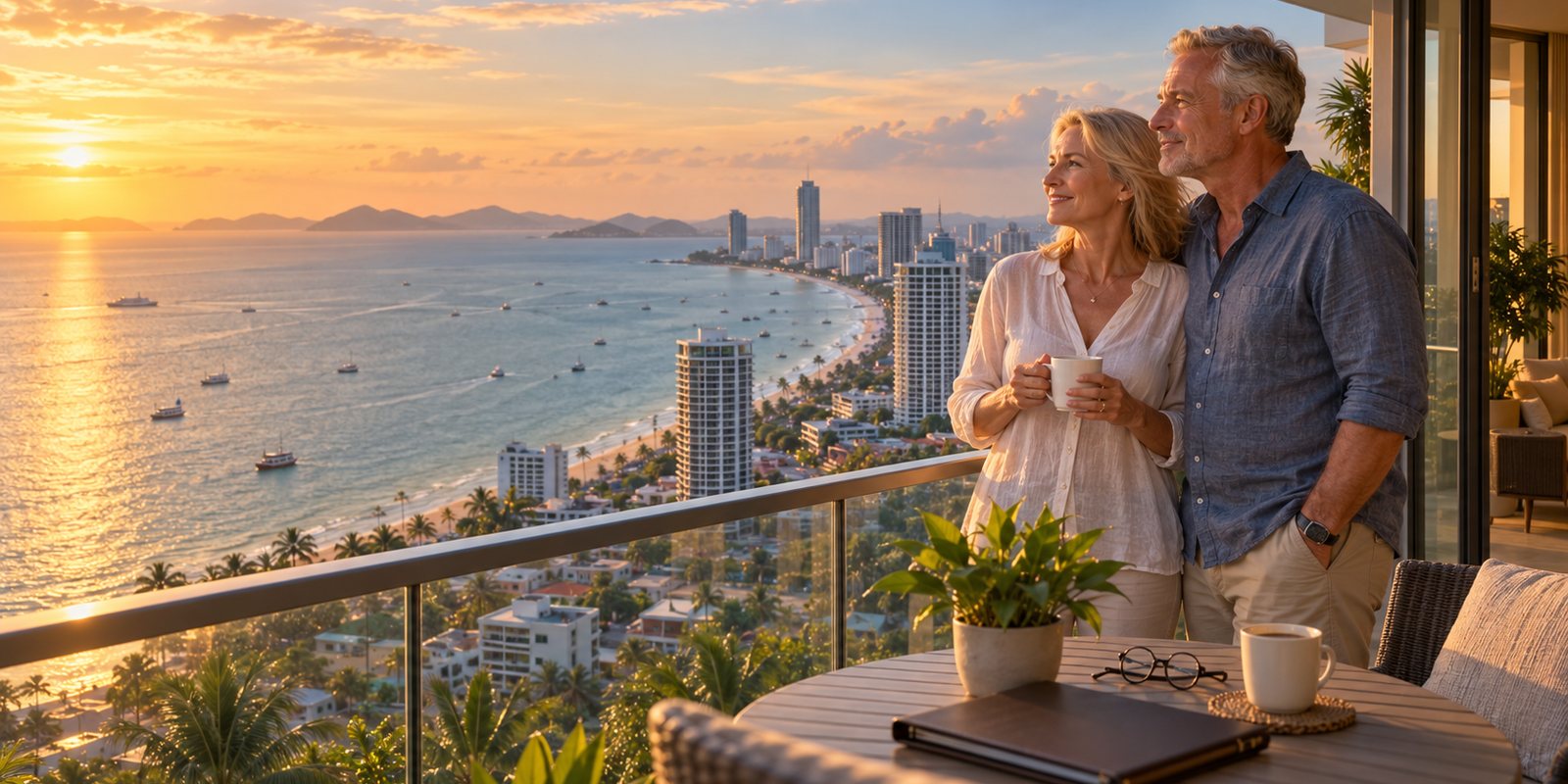
Every week I meet someone who came to Pattaya on holiday, felt the warmth — the weather and the people both — and started quietly wondering whether they could just… stay. Often they can, and many of the happiest people I know here are retirees who did exactly that.
But retiring abroad is a decision to make with your eyes open, not with a suntan and a cocktail. So here's the honest guide I'd give a friend: what the visa really involves, what it costs, how healthcare works, where to live, and the caveats nobody puts in the glossy brochures.
This is general information as of 2026. Visa rules and figures change, and this is not immigration, tax or financial advice — always confirm the current requirements with a qualified visa specialist before you commit.
The visa: two honest routes
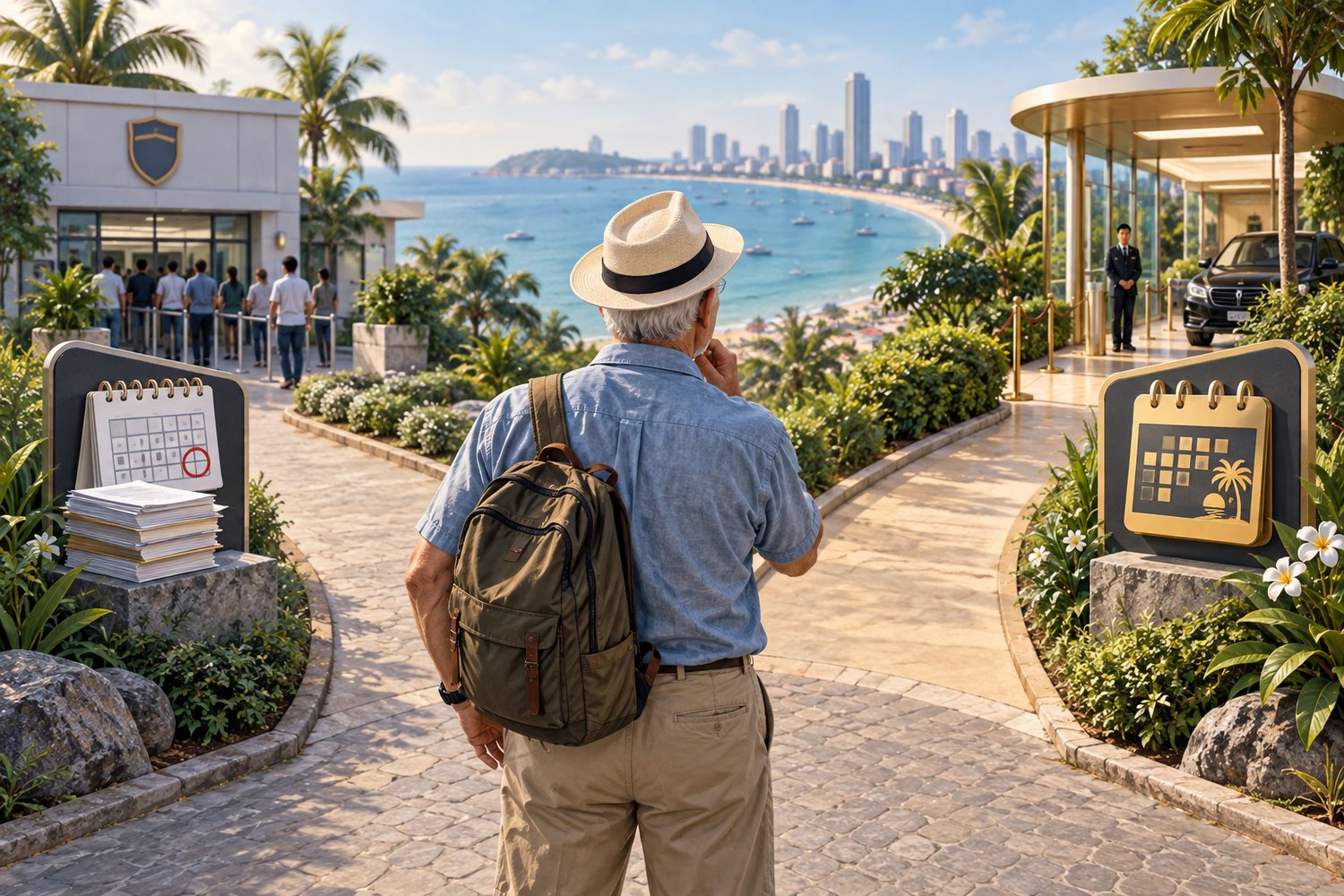
You don't get to just move here — you need a long-stay visa. For retirees there are two realistic paths.
1. The standard Retirement Visa (Non-O / Non-O-A) — for most people
This is the classic route, open to anyone aged 50 or over. You qualify financially one of three ways:
- 800,000 baht (roughly £18,000 / €21,000 / US$23,000) sitting in a Thai bank account, or
- 65,000 baht a month (about £1,450 / €1,700 / US$1,900) in pension or income, or
- a combination of savings and income totalling 800,000 baht a year.
A few honest details that catch people out:
- The 800,000 baht has to be "seasoned" — in a Thai bank for two to three months before you apply, and topped up again before each annual renewal. It's not a one-time show.
- The Non-O-A (applied for from your home country) requires health insurance with substantial cover (currently around US$100,000 / 3,000,000 baht). The Non-O obtained inside Thailand doesn't legally require it — though you'd be mad to go without.
- It's renewed annually, inside Thailand, and comes with ongoing admin: 90-day reporting (telling immigration where you live every three months), a re-entry permit if you leave and want to come back, and address registration.
None of it is hard, but it's fiddly, and most retirees here use a visa agent to handle the paperwork and the immigration queues. Budget for that. Full requirements are laid out by firms like Siam Legal.
2. The LTR "Wealthy Pensioner" visa — for those with means
If you have a comfortable passive income, the Long-Term Resident (LTR) visa is a far nicer experience: a 10-year permit (two five-year terms), annual reporting instead of every 90 days, a fast-track lane, and a genuine tax exemption on foreign income you bring in.
The bar is higher: broadly around US$80,000 a year in passive income (pension, rental, dividends — not a salary), with some flexibility for those earning US$40,000+ if they also make a US$250,000 investment in Thailand (property can count). The criteria have been easing recently, so if you're in that bracket it's worth checking the current rules — the LTR wealthy-pensioner terms are here. It's now the single most popular LTR category.
My honest take: if you comfortably clear the LTR bar, take it — the reduced admin alone is worth it. If you don't, the standard retirement visa works perfectly well, as it has for the tens of thousands of retirees already living happily on the Eastern Seaboard.
The money: what retirement here actually costs
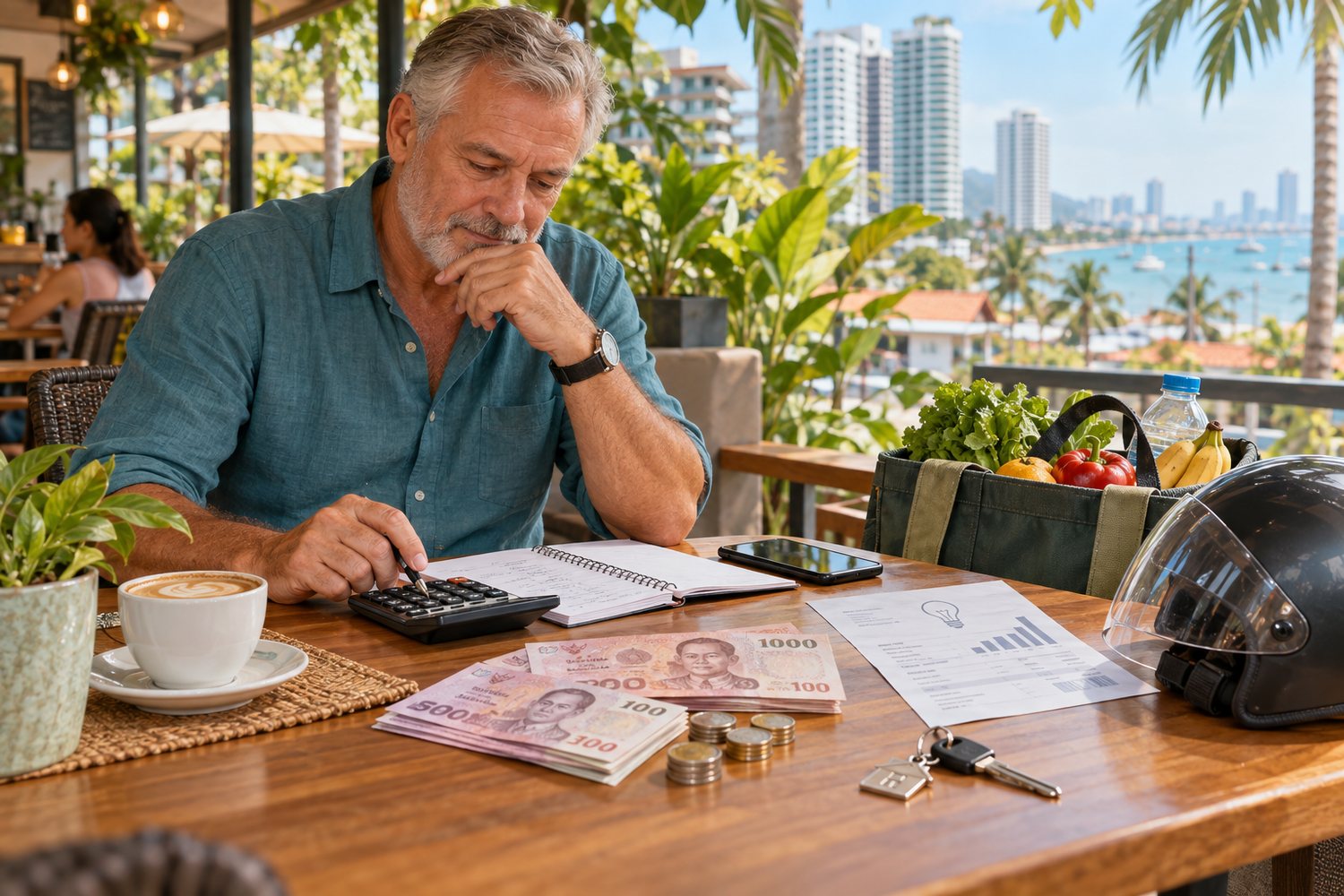
This is where Pattaya shines. Your pension stretches dramatically further than it would in most Western countries — but the "£500 a month" fantasy you read online is out of date. Here's the realistic shape:
- A comfortable single retiree: around ฿45,000–65,000 a month for a nice condo, eating well, running a scooter or small car, and enjoying yourself.
- A couple: budget ฿60,000–90,000 for the same comfort.
- Simpler living is genuinely possible from around ฿30,000, and a premium lifestyle — beachfront condo, frequent dining, golf — runs ฿100,000+.
I break the numbers down line by line in my true cost of living in Pattaya guide. Two things to plan for that retirees often forget: health insurance premiums rise sharply with age, and your income is in baht — exchange-rate moves can add to or shave off your monthly reality, so don't budget to the last satang.
Healthcare: the question that really matters

For a retiree, this is the big one, and the good news is genuinely good: Pattaya's private healthcare is excellent and affordable by Western standards. There are world-class private hospitals here — Bangkok Hospital Pattaya among them — plus international clinics, dentists and pharmacies on every corner, with short waits and English-speaking staff.
But here's the honest part:
- Routine care is cheap. Serious private treatment is not — a major operation or a long hospital stay can run into real money.
- Get insurance sorted before you move, while you're younger and healthier. Premiums climb steeply with age, and pre-existing conditions can be excluded or make cover very expensive. This is the single item that most often derails a retirement plan, so price it before you fall in love with a sea view.
- If you're over 65 or have health history, get real quotes early — it may shape whether, and how, you retire here.
A useful comparison of retirement visas, costs and healthcare is here.
Where to live: match the home to the life
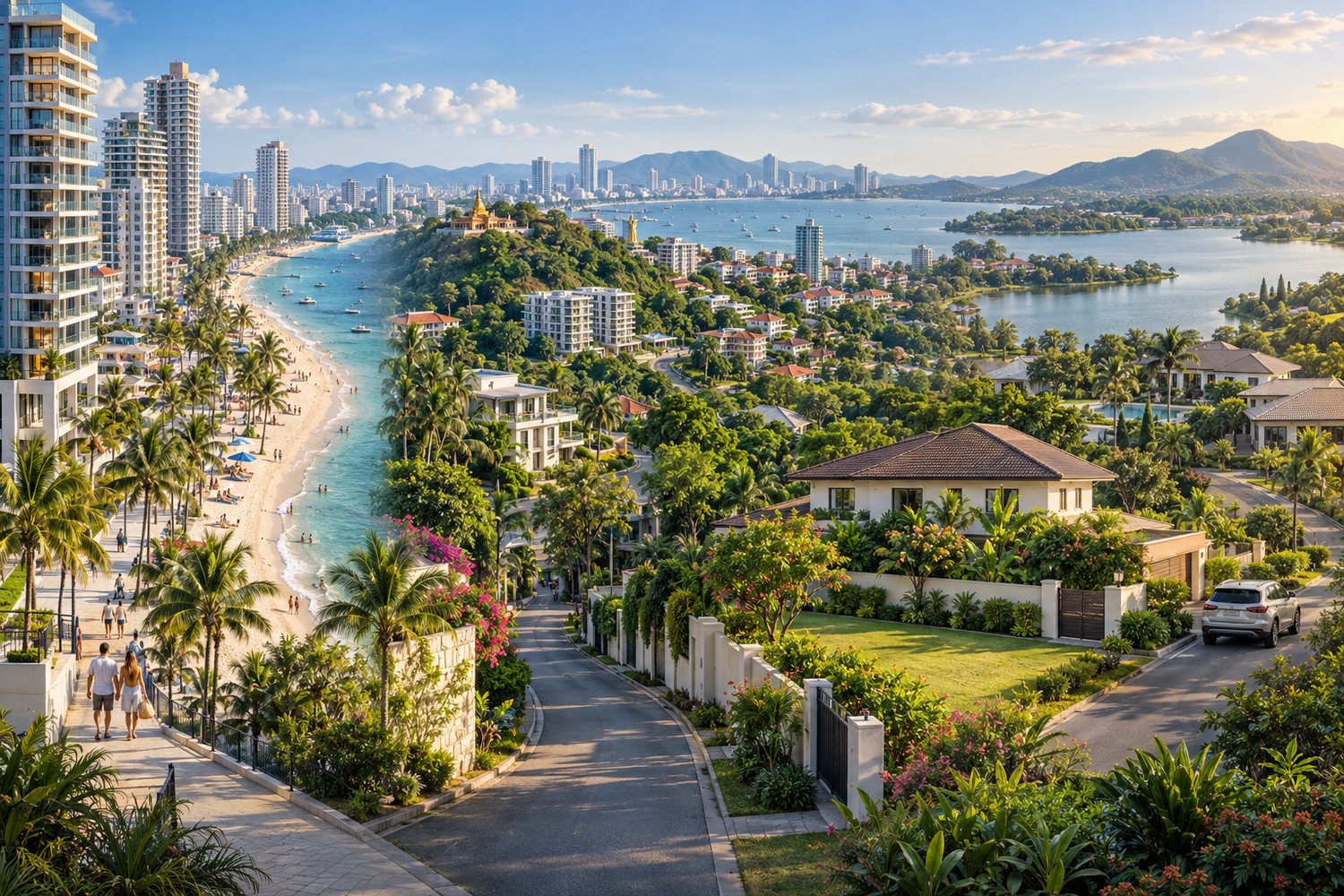
This is my actual job, and the choice matters more for retirees than for anyone else — because you'll be living in it, all day, every day.
- Jomtien is the heart of the retiree community — a relaxed beach town, walkable, with the deepest expat network, cafés and services. If you want people around you and the sea at the end of the road, start here. My Jomtien guide goes deep.
- Pratumnak sits between Jomtien and central Pattaya — quiet and residential, but minutes from everything.
- East Pattaya and Lake Mabprachan are for space and calm — a house with a garden and a pool, quiet sois, room to breathe — if you're happy to run a car. See my Mabprachan and East Pattaya guide.
- Condo or house? A condo is lock-up-and-leave, low-maintenance, and easy to secure when you travel — which is why most retirees choose one. A house gives you a garden and a pool but more upkeep. Be honest about how much home you want to manage at this stage of life.
And on ownership: a foreigner can own a condo freehold, in their own name; a house sits on land, which needs a proper structure — I explain it all in my guide to buying a villa in Thailand.
The life you're actually retiring into
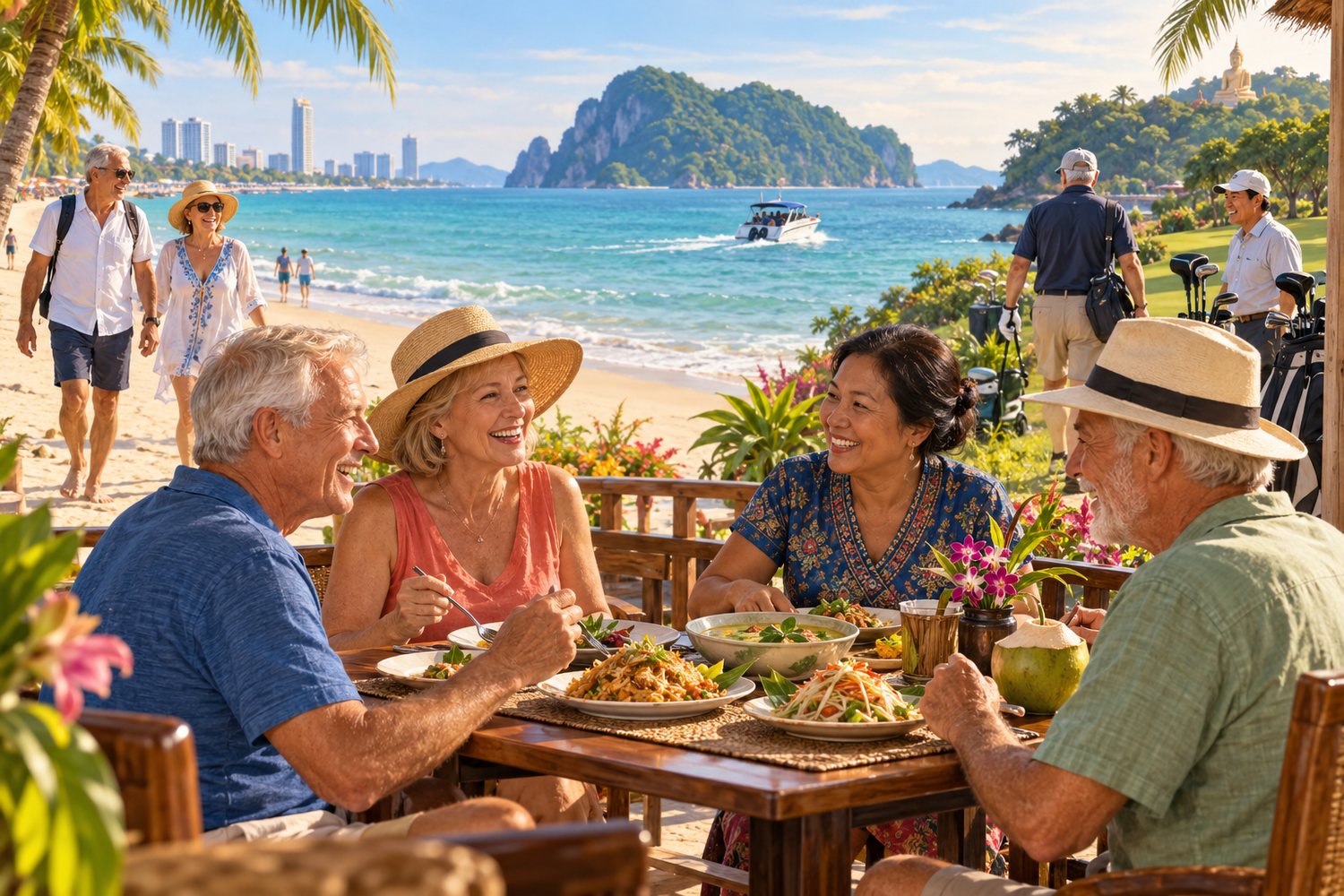
Beyond the practicalities, this is why people stay: year-round warmth, a low cost of living, superb food, a big and welcoming international community, golf that's among Asia's best, islands twenty minutes offshore, and a pace that lets you finally slow down. If you're wondering whether you'd be bored, read my list of over 200 things to do in Pattaya — boredom isn't the risk here.
The honest caveats
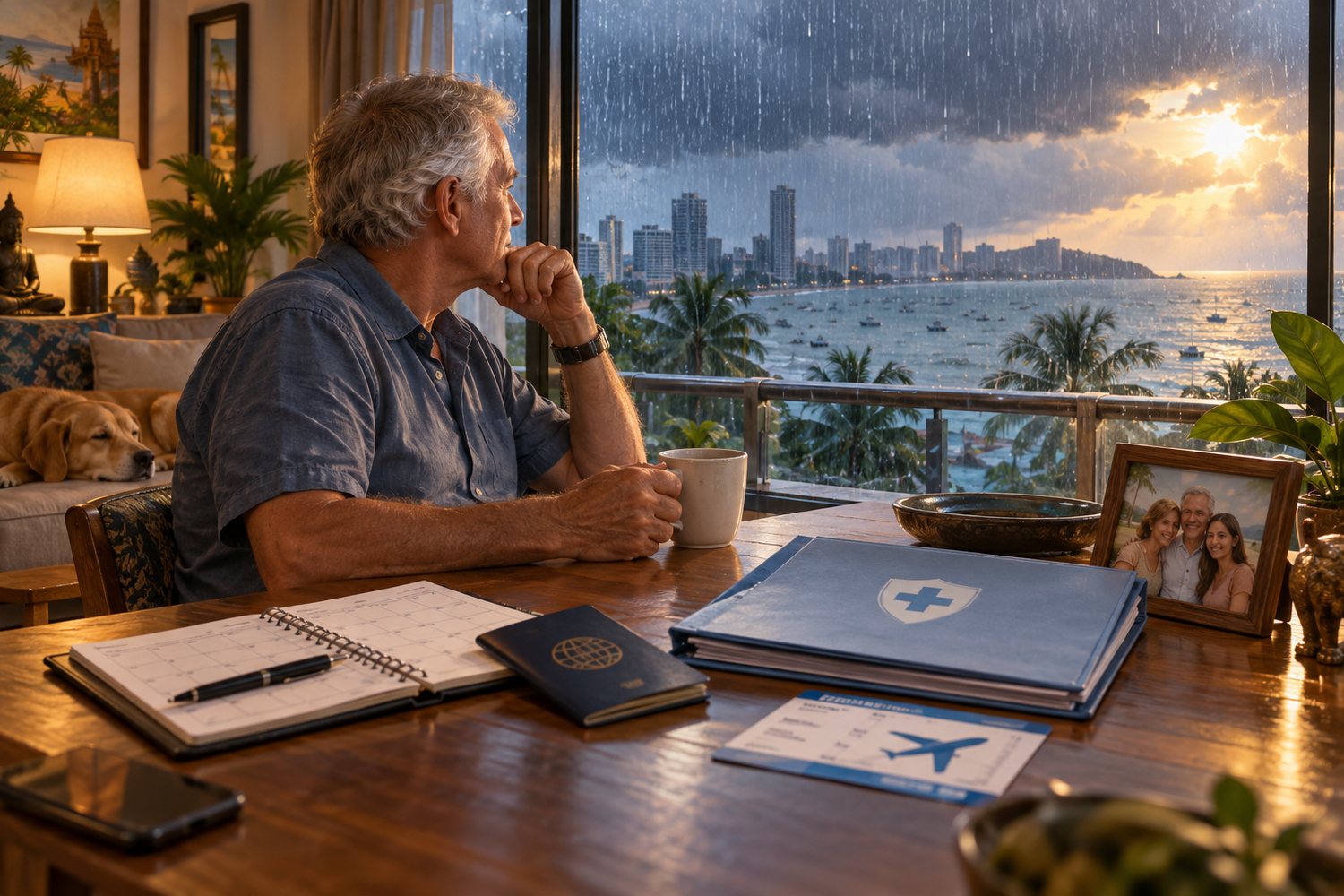
Because a good friend tells you the hard parts too:
- The admin is real. Annual renewals, 90-day reports, the seasoned bank balance, the insurance. Use an agent and it's painless — but it never fully goes away.
- The heat and the rainy season are relentless if you're not built for them. Come in April and in the wet months before you commit, not just in the perfect December week.
- You'll be far from family. Flights are long and not cheap. Be honest with yourself about that.
- Rules change. Thai immigration policy shifts; what's true today may tweak next year. Stay flexible and keep a professional in your corner.
- Don't burn your bridges. Which brings me to the most important advice I give every retiree.
My one piece of advice: rent first
Whatever your plan, rent for your first six to twelve months before you buy. Learn the areas, find out whether you're a beach person or a lake person, discover which buildings are well run and which neighbourhoods actually suit your days. Then buy — from knowledge, not holiday enthusiasm. I've watched people buy in week one and regret it, and I've watched the ones who rented first choose brilliantly. Renting first is almost always the smarter move.
If you're thinking about retiring here, message me — tell me your budget, whether you want the buzz of Jomtien or the quiet of the lake, and what matters to you day to day. I'll help you rent the right place first, and buy the right one when you're ready — in English, French, German or Spanish. No pressure, and an honest answer every time.
General information for 2026. Not immigration, tax, financial or medical advice. Visa rules, figures and healthcare costs change — verify current requirements with qualified professionals before making any decision.
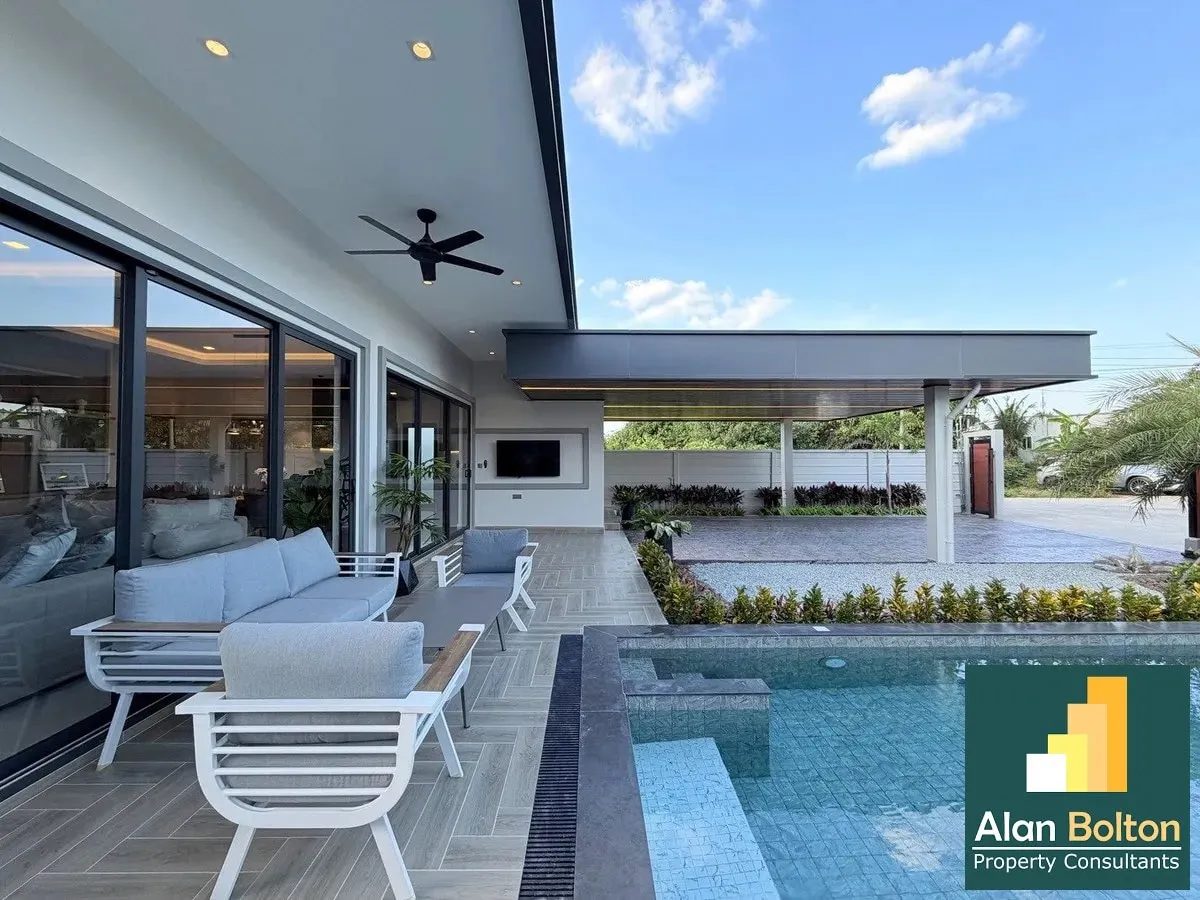 Featured development
Mabprachan Lake · East Pattaya
Zensiri Lakeside Mabprachan
Lakeside luxury pool villas near the best schools and golf
In partnership with ESS Developments

Questions about the Pattaya market?
Call or message me directly — I answer personally, usually within the hour.