

If You Can’t Do This, Don’t Rent Out Your Home
By Fred von Keller · 18 August 2026
Renting out a home is a business — but it's a business built on something more personal than most. You are handing the keys of a home to another human being, often a family, sometimes people who have flown across the world and chosen your four walls to start a new life in. That comes with responsibilities, and I'm always surprised how many owners forget them.
So here is the honest version, for any owner thinking of putting a property on the rental market in Pattaya: this is what you owe the people who live in your home — and, quietly, what you owe yourself, because doing it properly is also the profitable way.
Take pride in welcoming a tenant
Start here, because everything else follows from it. When a tenant walks in on day one, that home should make them feel welcome — clean, cared for, ready. I genuinely don't understand owners who don't take pride in that moment. Handing someone a tired, unwashed, half-broken house isn't just a contractual failure; it's a failure of basic hospitality. If you wouldn't be proud to hand it to a friend, don't hand it to a tenant.
Hand over a clean, working home — every time
This is the baseline, not a favour. On handover the home should be spotless and fully functional: floors washed, kitchen clean, bathrooms sanitary, appliances working, air-conditioning cooling, hot water hot, the pool clear and balanced, the garden maintained.
Preparing the home to that standard is the owner's cost of doing business — paid from the owner's own pocket, before the keys change hands. It is never the tenant's job to arrive and clean up after the last occupant.

What you advertise must actually be there — and work
If the listing shows three bedrooms with beds, there are three beds. If it shows a full kitchen, the appliances run. If it shows a pool, the pump works and the water's clear. The home a tenant receives has to match the home they rented. Anything less is handing over less than what was agreed and paid for.
The deposit — and why it cuts both ways
Let's be clear about what a deposit is, because it's the most misunderstood part of renting. In Thailand the norm is two months' deposit plus one month in advance. That deposit is the tenant's money, held in trust against genuine damage or unpaid bills, and returned when they leave, less any fair, documented deductions.
Here's the part owners forget: that deposit is your protection. Yes — some tenants are careless. Some damage furniture, burn a countertop, leave a mess. It happens, and it's frustrating. But that is exactly what the deposit is for. You are not exposed. You hold two months of rent precisely so that a bad tenant doesn't leave you out of pocket.
Which means a difficult past tenant is no excuse for handing the next one a poor home. The deposit covered the damage; your job is to put it right and hand over a home you'd be proud of — not to pass yesterday's problems on to someone who paid in good faith. And when a tenancy ends cleanly, that deposit goes back. It was never your income to spend.
Be ready to refurbish between tenancies — especially long-term
This is the responsibility owners most often neglect, and it matters most on long lets. Homes wear. Over a one- or two-year tenancy, walls scuff, furniture tires, mattresses soften, paint dulls, fittings loosen — even with a perfectly good tenant simply living there.
A serious landlord budgets for a refresh at the end of each tenancy: repaint where needed, deep-clean, service the air-conditioning, sort the pool and garden, replace what's genuinely worn — tired mattresses, broken frames, dead appliances. Set aside a portion of your rental income for it from day one. A home that gets refreshed between tenants commands better rent, rents faster, and attracts the kind of long-term tenant every owner wants. A home that never gets refreshed slowly becomes unrentable — and you'll feel it in both the price and the vacancy.
Keep the home maintained during the tenancy
Your responsibilities don't pause once someone moves in. Through the tenancy the owner handles the things beyond a tenant's control:
- Structural and major repairs — roof, plumbing, electrical, the building itself.
- Pool and garden, unless the contract clearly assigns them to the tenant (and even then, the equipment must work).
- Servicing — air-conditioning, water heaters, pumps.
- Prompt responses to genuine problems, not weeks of silence.
Respect it as the tenant's home
Once it's rented, it is their home, not yours. No letting yourself in, no turning up unannounced, no treating the space as still your own. Reasonable notice for any genuine inspection or repair — always. It's basic respect, and in most places it's the law.
Put it in writing — properly
Nearly every rental dispute I've seen traces back to something never written down. A proper tenancy needs:
- A clear written lease — rent, deposit, term, and exactly who is responsible for what: pool, garden, repairs, bills.
- A signed inventory and condition report, with photographs, at handover. This protects both sides — the tenant against being blamed for pre-existing damage, and the owner against a genuinely destructive tenant. If you want to hold a deposit for damage, this is how you prove it. Handshakes don't stand up; a photographed inventory does.
The bottom line for owners
Do it properly — prepare the home at your own cost, hand it over clean and complete, treat the deposit as the trust money it is, refresh between tenancies, maintain it through, and put everything in writing — and you'll keep good tenants who respect your home and pay on time for years. Cut corners and you'll churn through short, unhappy tenancies and watch your asset decline.
A home that's respected gets respected back. That's not sentiment; it's how the numbers actually work.
How I help
If you're an owner who wants your property let properly — to good tenants, at the right rent, with the standards kept on both sides — message me. I'll help you present it, price it, and hand it over the way it should be done. And if you're a tenant renting in Pattaya, especially from abroad, I inspect every home before you arrive, so what you're promised is what you get. In English, French, German or Spanish.
General information based on standard practice in the Pattaya rental market. Tenancy law and individual contracts vary — for a specific situation, take qualified legal advice.
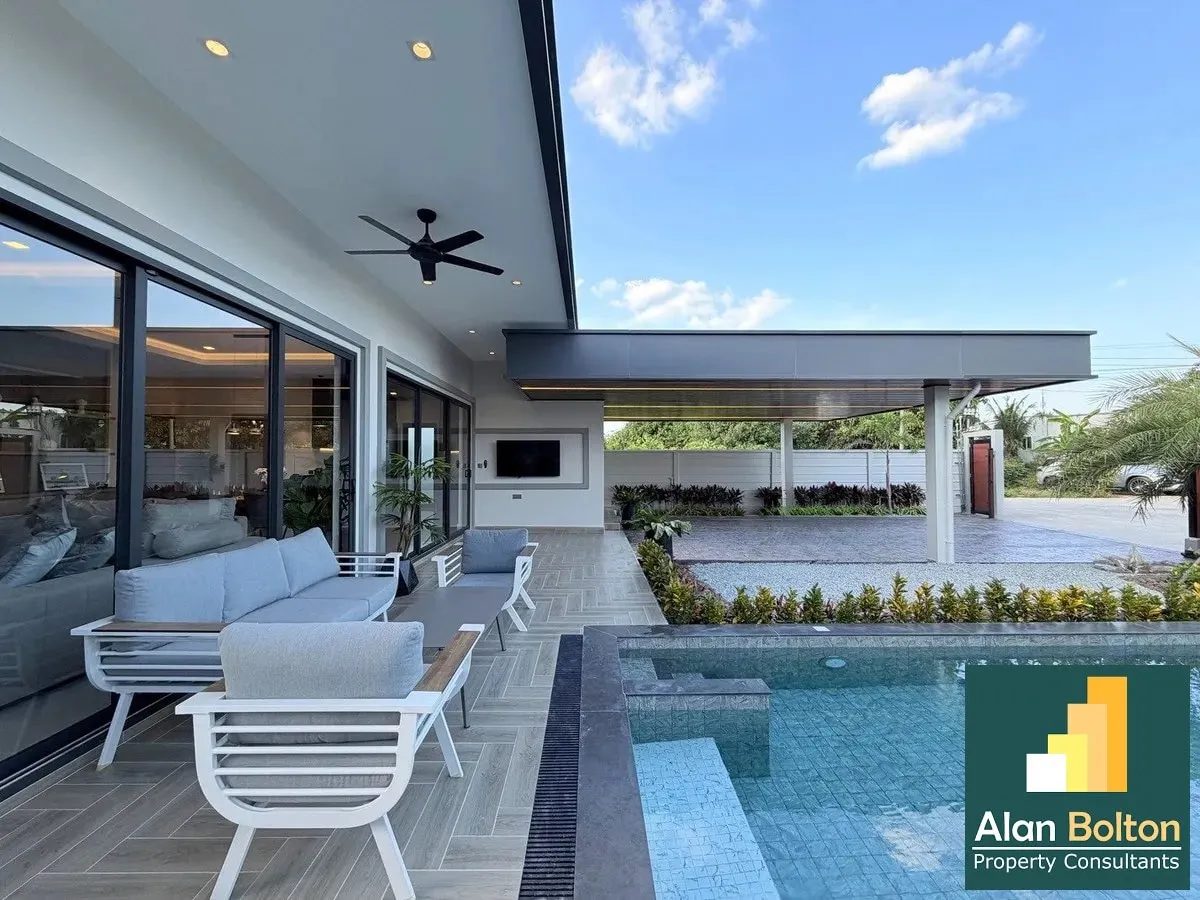 Featured development
Mabprachan Lake · East Pattaya
Zensiri Lakeside Mabprachan
Lakeside luxury pool villas near the best schools and golf
In partnership with ESS Developments

Questions about the Pattaya market?
Call or message me directly — I answer personally, usually within the hour.