

Buying Property in Pattaya: What Foreign Buyers Need to Know
By Fred von Keller · 9 July 2026
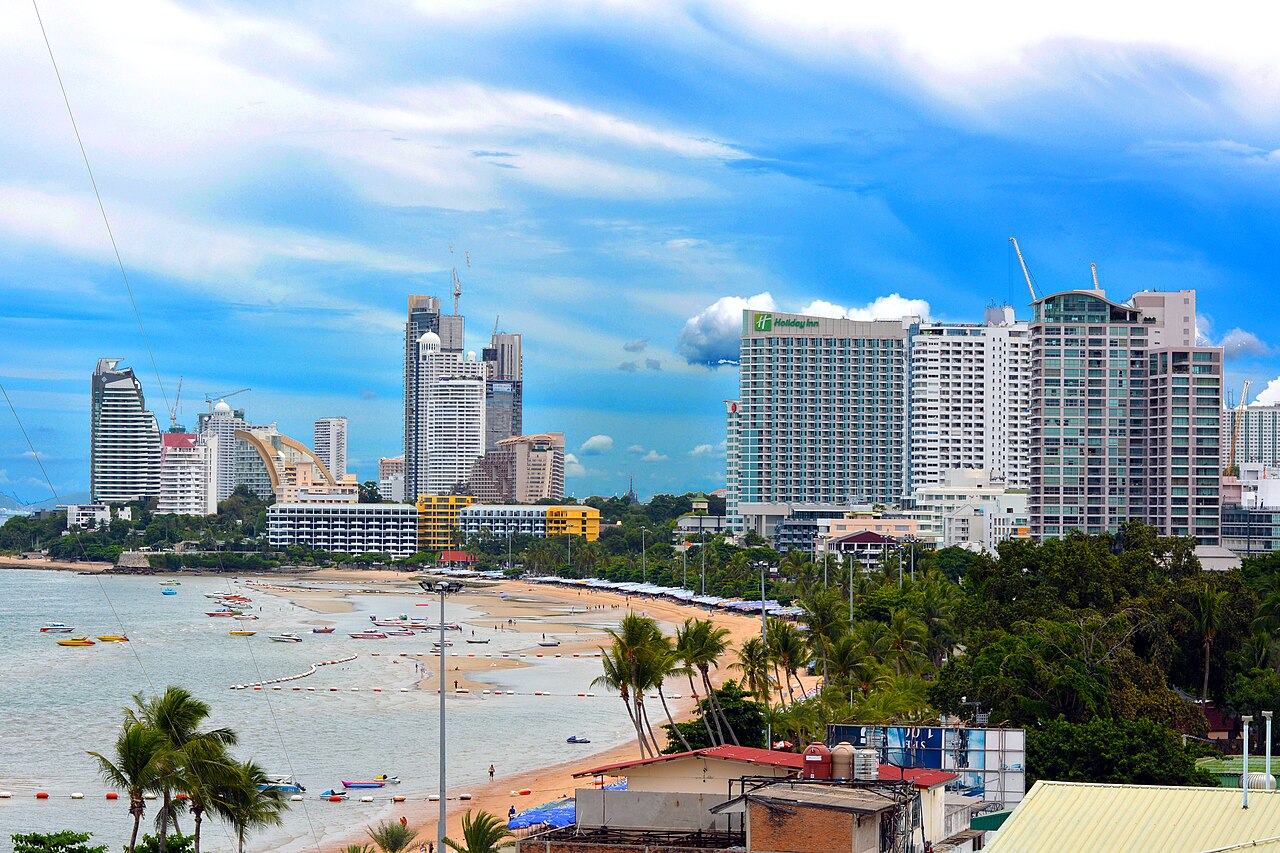
Buying property in Thailand is simpler than most foreigners fear and more nuanced than most websites admit. After walking many buyers through the process — from the first viewing to the handshake at the Land Office — here is the honest overview I wish every client had read before our first meeting.
What foreigners can (and can't) own
Condominiums: yes, outright. Thai law allows foreigners to own condo units freehold, in their own name, with a proper title deed (chanote). The only rule: foreigners can hold at most 49% of the sellable area in any building — the famous foreign quota. A unit in foreign quota is the gold standard: clean ownership, easy resale, inheritable.
Houses and land: not directly — but there are established routes. Foreigners cannot own land in their own name. In practice, villa buyers use a long-term registered lease (30 years, commonly structured with renewals), or a Thai limited company where there is a genuine business purpose, or the property is owned by a Thai spouse. Each route has real pros and cons — this is exactly where you want honest advice rather than a forum thread.
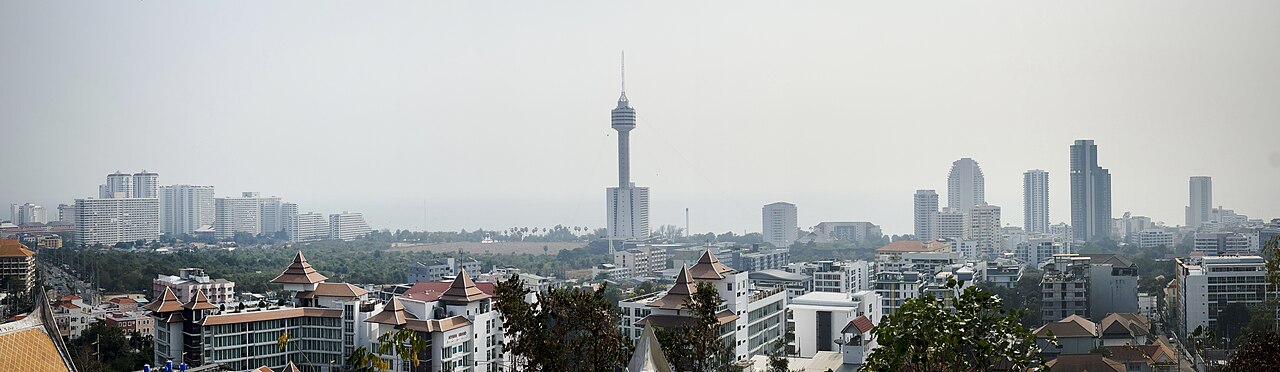
What things cost in Pattaya right now
Rough orientation, city-wide:
- Studios and one-beds in good modern buildings: from around 1.5–3M baht
- Two-bed sea-view condos: 4–10M baht depending on district and building
- Pool villas in East Pattaya / Huay Yai: 6–15M baht for something genuinely nice
- Premium beachfront and Wongamat/Pratumnak addresses: the sky is the limit
Rental yields on well-chosen condos typically run 6–8% gross — one reason Pattaya keeps attracting investors, not just lifestyle buyers.
The buying process, step by step
- Choose the property — and let someone check the building's foreign quota status, juristic office health, and any outstanding fees before you commit.
- Reservation agreement with a deposit (typically 50,000–200,000 baht) takes it off the market.
- Due diligence and contract — title check, terms, payment schedule. Have someone on your side read it.
- Payment from abroad: for foreign-quota freehold, funds must arrive in Thailand as foreign currency, documented by the bank (the FET paperwork). Get this wrong and the Land Office cannot register the transfer — get it right and it's routine.
- Transfer day at the Land Office — taxes and fees are paid (typically split between buyer and seller by agreement), the deed is stamped, and you own property in Thailand.
From reservation to transfer is commonly four to eight weeks for a resale, or on the developer's schedule for off-plan.
Off-plan or resale?
Off-plan buys you today's price on tomorrow's building with payment spread over construction — but choose developers by track record, not brochures. Resale buys you certainty: you can see the building, the management, the actual view, and the actual rental history. I sell both; the right answer depends on your goal, and I'll tell you plainly which one fits.
The one paragraph of advice that matters most
Every expensive mistake I've seen a buyer make came from skipping the same step: independent verification. The listing photos, the quota letter, the sinking fund status, the actual comparable sales — checking these costs almost nothing. Not checking them can cost everything. Whether you buy through me or not, make someone verify before you sign.
If you're ready to look seriously — or just want a straight answer to "is this price fair?" — send me a message. That's what I'm here for.
Photo: XoMEoX (CC BY 4.0), via Wikimedia Commons.
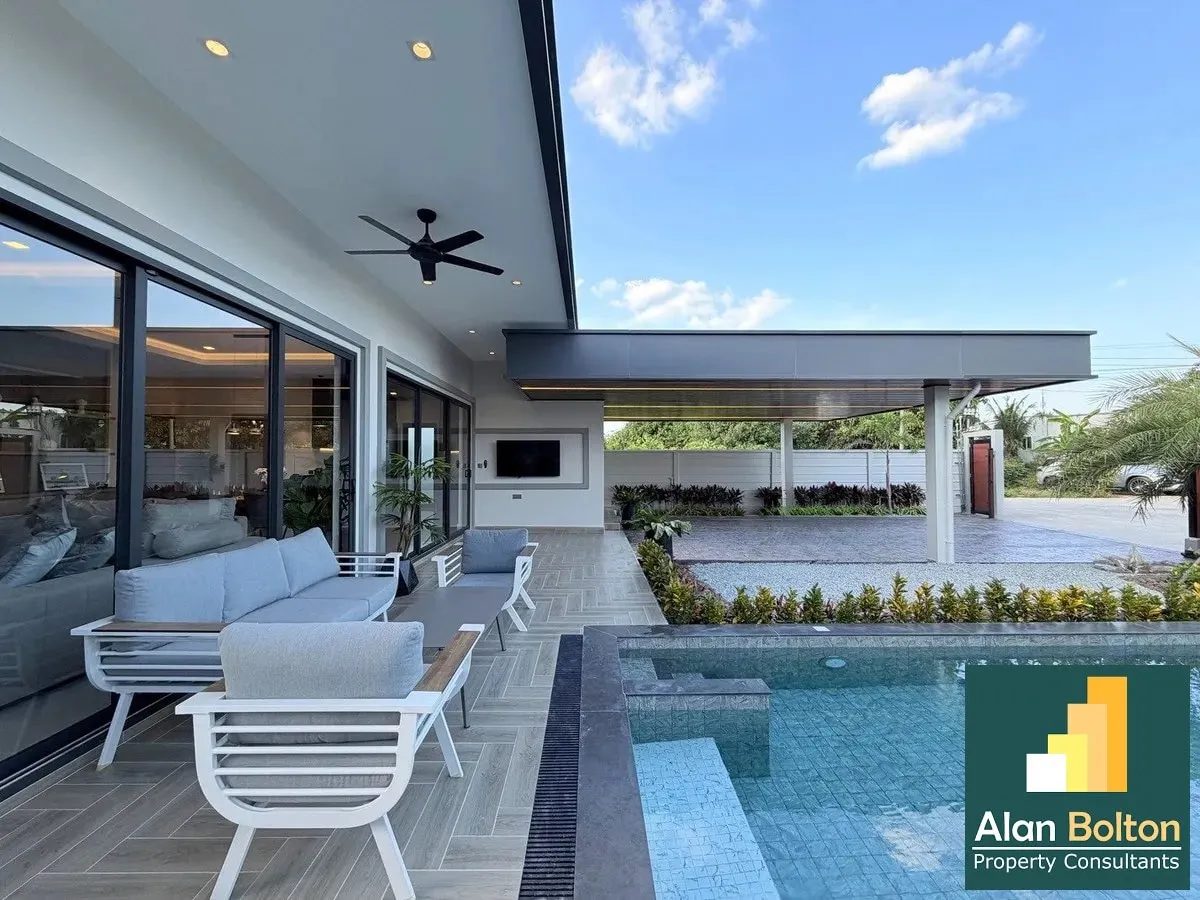 Featured development
Mabprachan Lake · East Pattaya
Zensiri Lakeside Mabprachan
Lakeside luxury pool villas near the best schools and golf
In partnership with ESS Developments

Questions about the Pattaya market?
Call or message me directly — I answer personally, usually within the hour.