

Living in Thailand: An Honest Guide to the Lifestyle
By Fred von Keller · 9 July 2026
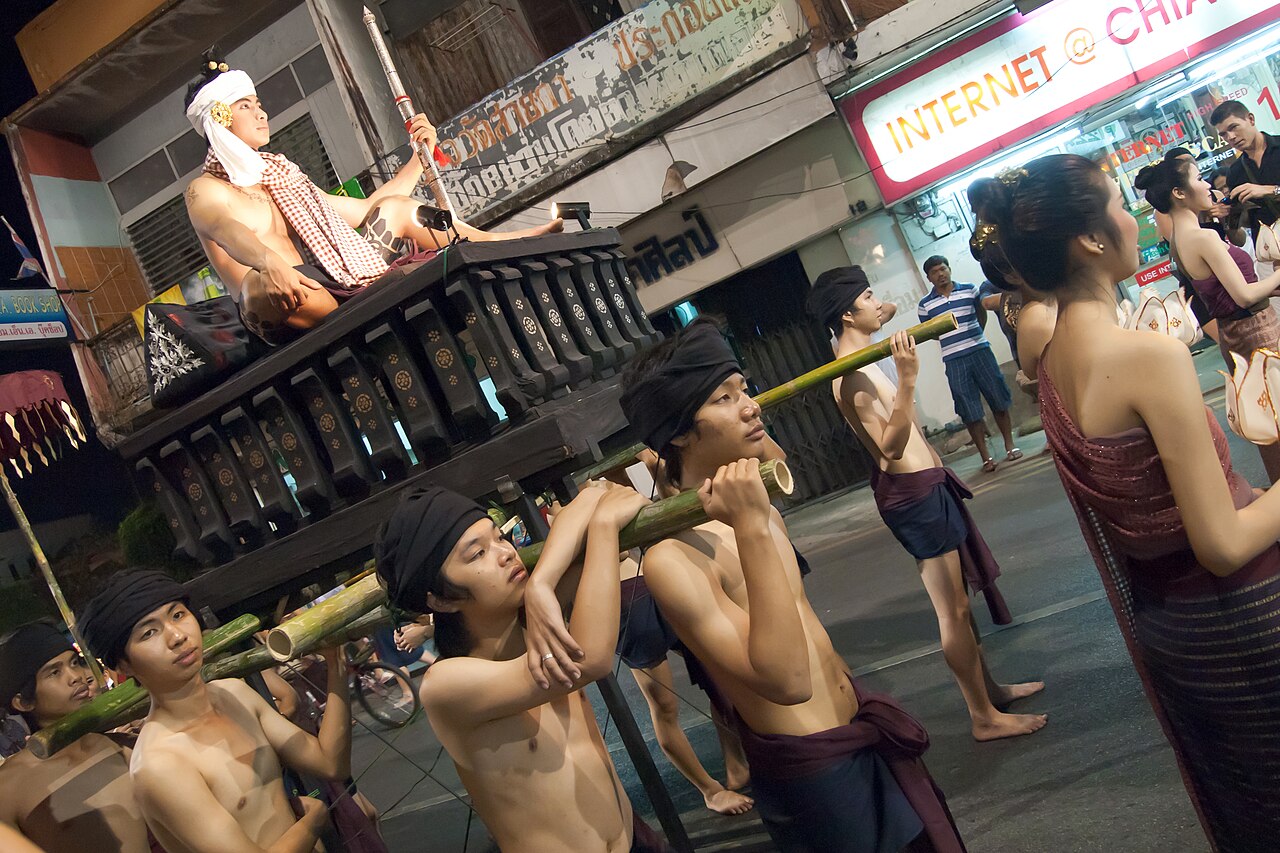
Ask ten foreigners why they moved to Thailand and you'll get ten different answers — the weather, the food, the cost of living, the pace of life. Ask them again after five years and the answers change: it's the way daily life simply works here, in its own relaxed, surprising, occasionally chaotic way. After years of living and working on the Eastern Seaboard, here is my honest picture.
The rhythm of life
Thailand runs on a different clock. Mornings start early — markets are busy by six, monks make their alms rounds at dawn — and the heat of the afternoon slows everything down. Evenings are when the country comes alive: night markets, street food, families eating out because eating out costs the same as cooking at home.
The famous Thai attitude — sabai sabai, take it easy — is real. Things that would cause an argument back home get solved here with a smile and some patience. It takes some adjustment. Then it becomes the reason you can't imagine living anywhere else.
What daily life actually costs
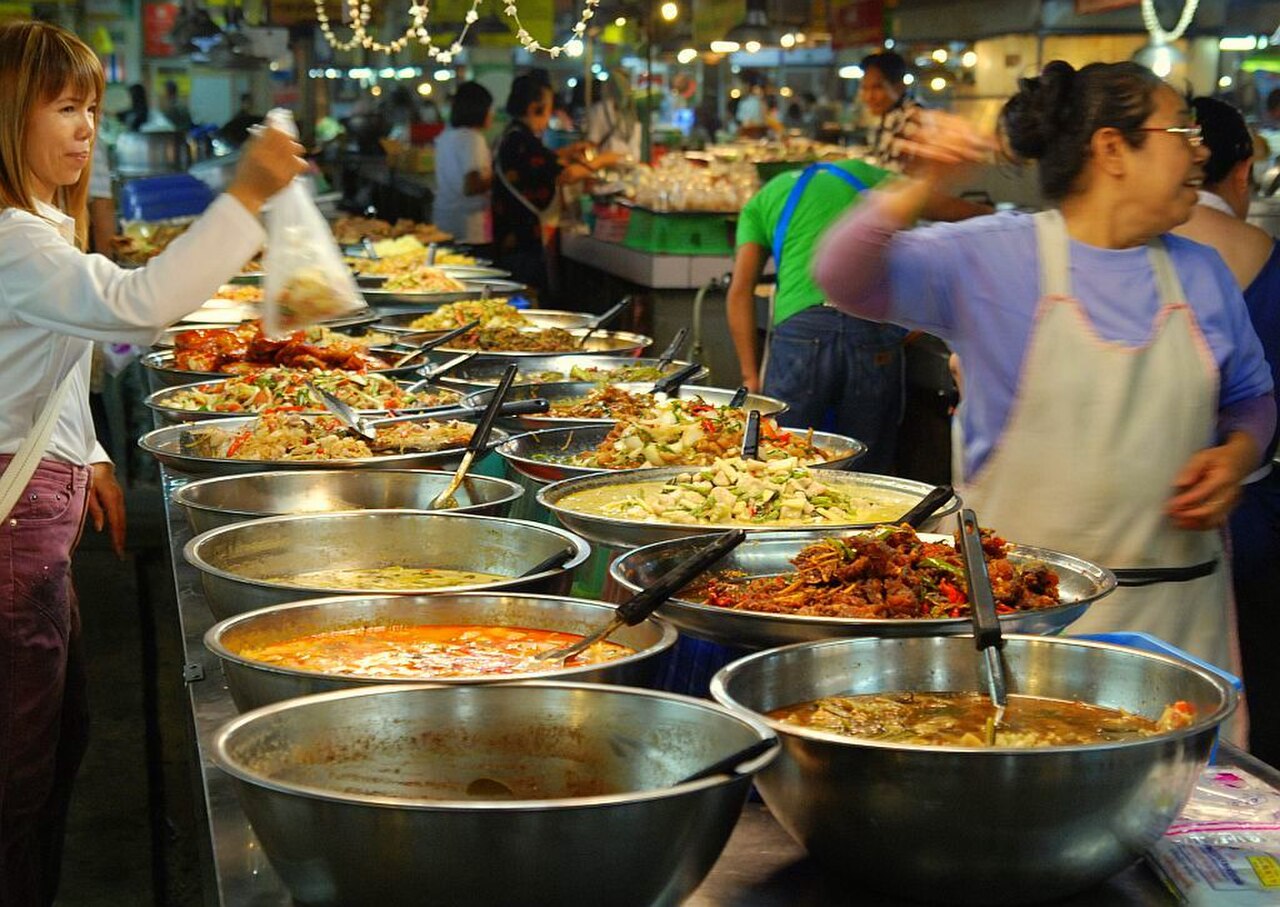
The numbers still surprise newcomers. A proper Thai meal costs 60–80 baht. A fresh market haul for the week, a few hundred. Utilities for a modern one-bedroom condo, maybe 1,500–2,500 baht a month with generous air-conditioning. Private healthcare — some of the best in Asia — at prices that make European patients do a double-take.
That said, Thailand is not "cheap" across the board anymore, and anyone who tells you otherwise is selling something. Imported goods, international schools, and Western-style dining cost real money. The trick is that here you choose your cost of living — the same day can include a 70-baht noodle lunch and a rooftop dinner, and both feel right.
The culture
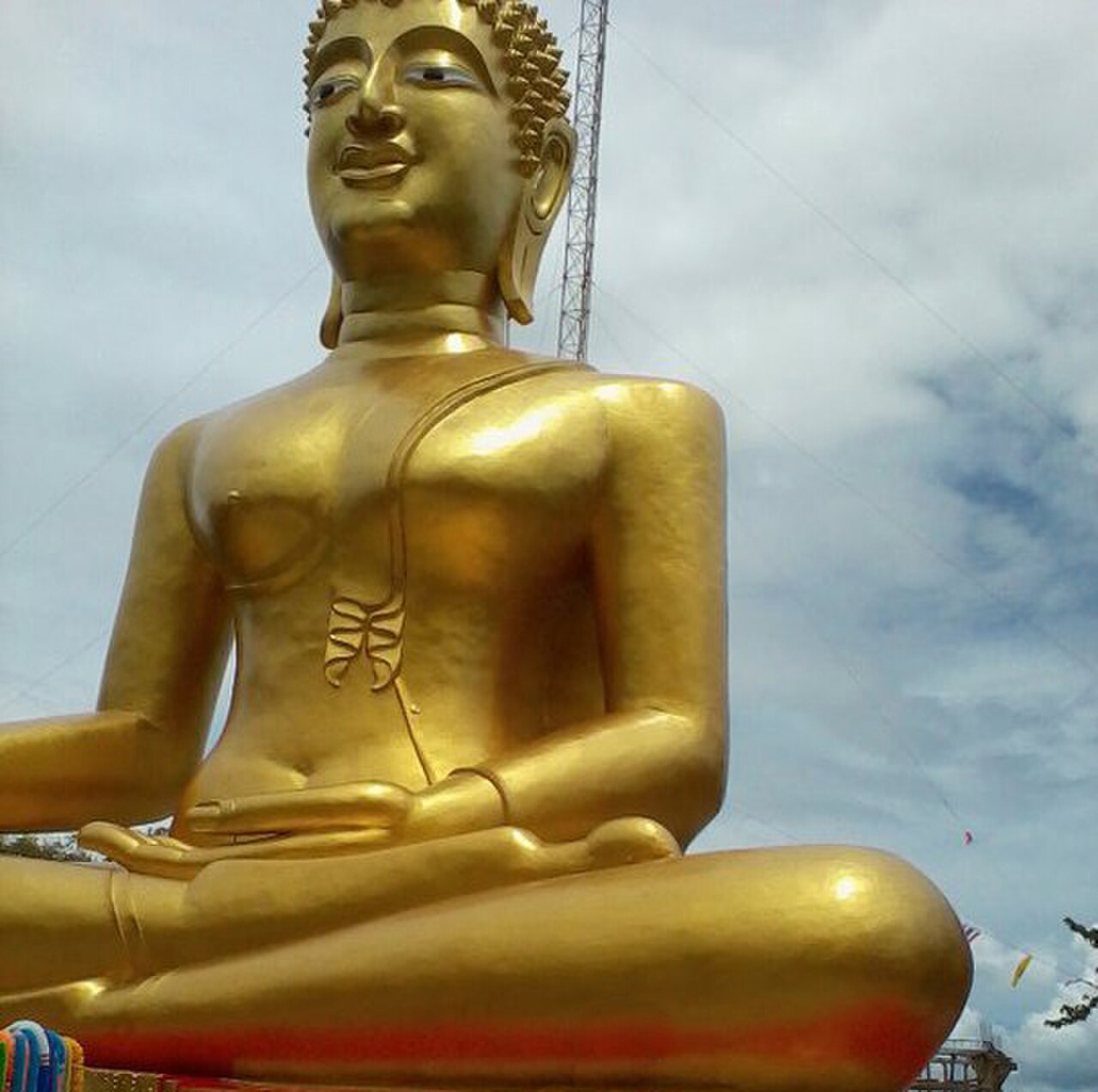
Thailand is a Buddhist kingdom and it shows in the best ways: tolerance, courtesy, and a live-and-let-live attitude toward foreigners that is rare in the world. Learn a handful of Thai phrases, return the wai greeting, dress respectfully at temples, never disrespect the monarchy — and doors open everywhere.
The practical side
- Visas have become significantly friendlier in recent years — retirement visas, the Long-Term Resident visa, and Destination Thailand visa cover most situations. It's paperwork, but it's manageable paperwork.
- Foreigners can own condominiums outright (freehold, in your own name) — one of the most straightforward property ownership setups for foreigners in Asia. Houses and land work differently; that's a conversation worth having before you fall in love with a villa.
- Banking, driving licences, phone plans — all routine once you have the right visa and a little guidance.
Is it for you?
Most people don't decide to live in Thailand from a brochure. They come for a two-week holiday, come back for a month, then one day catch themselves checking property prices. If you're at that stage — checking the prices — I'm happy to be your local reality check. No pressure, no hard sell, just straight answers about what living here is actually like.
Photos: Takeaway (CC BY-SA 3.0), RichardUK2014 (CC BY-SA 3.0), via Wikimedia Commons.

Questions about the Pattaya market?
Call or message me directly — I answer personally, usually within the hour.